
1. What is a Computer Network?
- A computer network is collection of devices (Mobile phones, laptops, computers, routers) that are interconnected.
- The aim is to data sharing, communicate, dan accessing the internet.
- The closest examples: school WiFi or mobile phone hotspots.
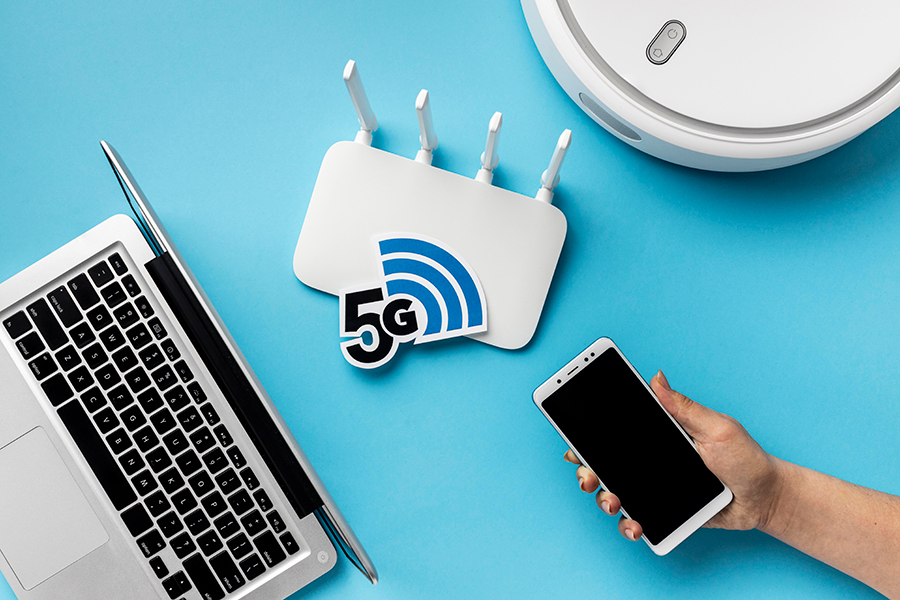
Source Freepik.com
2. Why Do We Need to Know About Different Types of Networks?
- To understand how the internet works.
- Useful for ICT lessons and the world of technology.
- Essential basics for those who wish to study networking at vocational school.
- Helping to understand the digital environment at school, at home, and in the community.
3. Types of Networks Based on Distance
A. PAN (Personal Area Network)
- Small network for the area sangat dekat.
- Example:
- Bluetooth connection
- Mobile phone tethering
- Smartwatch ke HP
B. LAN (Local Area Network)
- Network within the area small such as classrooms, homes, or offices.
- Example:
- Home WiFi
- School computer lab
- LANs typically use routers and LAN cables.
C. MAN (Metropolitan Area Network)
- Covering the area citywide.
- It is typically used by government agencies or large universities.
- Example: a network connecting several buildings within a city.
D. WAN (Wide Area Network)
- Extremely networked luas, covering a country or the world.
- The internet is the largest WAN ever created.
- Connecting multiple LANs and MANs.
4. Types of Networks Based on Connection Media
A. Wired Network (Cable)
- Using LAN cables or fibre optics.
- Advantages: stable, fast, secure.
- Disadvantages: not very flexible.
B. Wireless Network
- Using WiFi signals or radio waves.
- Advantages: practical, can be used on many devices.
- Disadvantages: signals can be disrupted by walls or distance.
5. Types of Networks Based on Their Functions
A. Client–Server
- There are servers (data centres) and clients (users).
- Commonly used in schools and offices.
- The server manages all data and security.
B. Peer-to-Peer (P2P)
- All devices are equal; there is no main server.
- Example: sharing files directly between computers.
6. Examples of Computer Networks in Everyday Life
- Home WiFi network = LAN.
- Mobile phone connected to laptop via Bluetooth = PAN.
- Inter-campus network within a city = MAN.
- Internet global = WAN.
- Online gaming network = combination of WAN + server.
7. Benefits of Understanding Computer Networks
- Can fix simple internet problems.
- Better understand how routers and WiFi work.
- Becoming a network technician is a good starting point.
- Assisting with preparations for entering the TJKT department at vocational school.
🎓 Want to learn networking directly through practice? Enrol at SMKS TI ANNISA 2!
At SMKS TI ANNISA 2, you can learn:
- Network installation and configuration
- Use of routers, access points, and servers
- Fibre optics and telecommunications technology
- Visual and multimedia design
- Digital skills required in the modern workplace
👉 Enrol now at SMKS TI ANNISA 2 and prepare yourself to become a future network expert!